
Our Goal: Deliver Water Responsibly While Sustaining the Region’s Natural Environment
Protecting Marine Life, Supporting Community Life
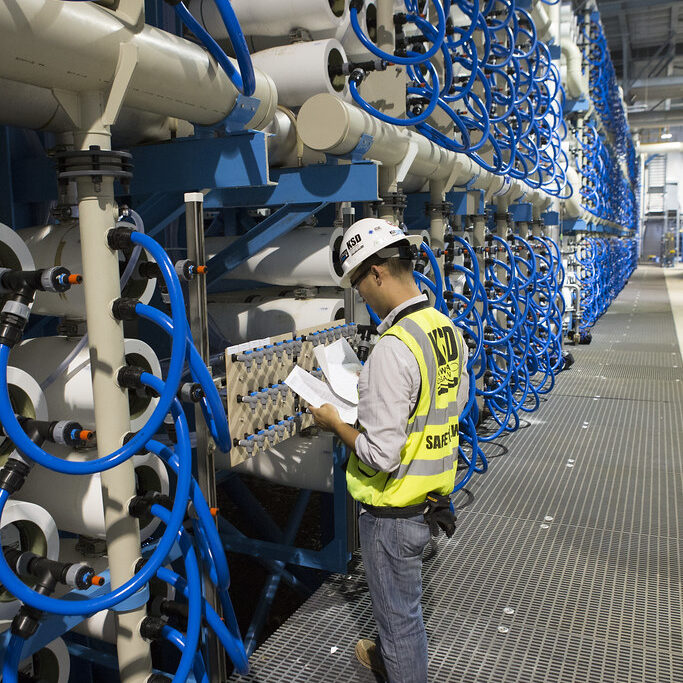
From the start, the Carlsbad Desalination Plant was designed to meet the highest environmental standards and maintain transparency at every step. Expert-led studies and third-party environmental reviews guided planning and construction to ensure minimal impact on local ecosystems. Screened seawater intake systems and advanced reverse osmosis membranes safeguard marine life, while energy recovery technology reduces electricity use and greenhouse gas emissions. Continuous environmental monitoring provides ongoing data, ensuring the coast remains protected today — and for generations to come.
Operational excellence and environmental protection go hand in hand at the Carlsbad Desalination Plant. Each system — from intake to outfall — was engineered for efficiency, compliance, and long-term reliability. Reverse osmosis membranes, energy recovery devices, and real-time monitoring ensure peak performance while meeting state and federal environmental regulations. The plant’s design minimizes maintenance costs, reduces downtime, and achieves a consistently low energy footprint compared to industry averages [insert stat]. This technical precision supports both sustainability goals and operational resilience for the region’s water system.
Beyond supplying clean drinking water, the plant is part of a broader commitment to preserving San Diego’s coastal beauty. More than 15 acres of nearby coastal land were permanently set aside for public trails, fishing, and scenic viewpoints, ensuring the community can enjoy the coast for years to come. Conservation efforts also protect nearby lagoons and wetlands, maintaining habitats for local wildlife. These ongoing commitments show that providing safe, drought-resilient water doesn’t come at the expense of the environment — it strengthens the community’s connection to it.
Restoring Coastal Wetlands

Through the Otay River Estuary Restoration Project (ORERP), Channelside has partnered with the U.S. Fish and Wildlife Service to restore approximately 125 acres of coastal wetlands and uplands within the San Diego Bay National Wildlife Refuge. This includes:
- 33.5 acres of the Otay River floodplain
- 91 acres of an active solar salt pond (Pond 15)
These efforts enhance critical habitats for native fish, wildlife, and migratory birds. The project also brings together key partners, including the U.S. Army Corps of Engineers, California Coastal Commission, Port of San Diego, and local cities, to ensure lasting environmental benefits.
Advancing Energy Efficiency
Desalination is vital worldwide, with over 15,000 plants in 150 countries producing water for nearly 70 million people. The Carlsbad Desalination Plant leads in efficiency by using state-of-the-art pressure exchanger devices made by Energy Recovery, Inc.
Much like a hybrid car, these devices recycle energy rather than consuming electricity, reducing the plant's reverse osmosis energy use by 46%. This saves:
- 146 million kilowatt-hours annually
- 42,000 metric tons of carbon emissions per year — equivalent to the emissions of 9,000 passenger vehicles
Our Environmental Initiative
Our Environmental Commitment:
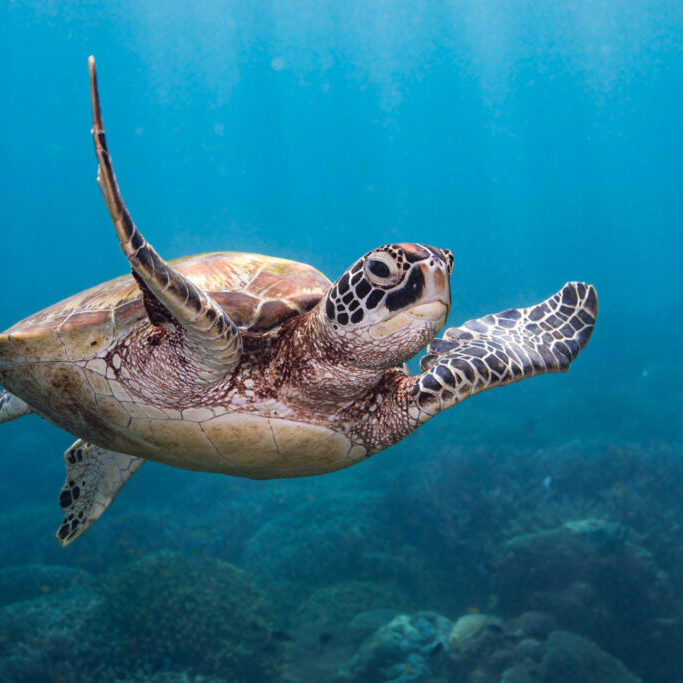
Marine Protection
Intake systems designed to safeguard sea life.
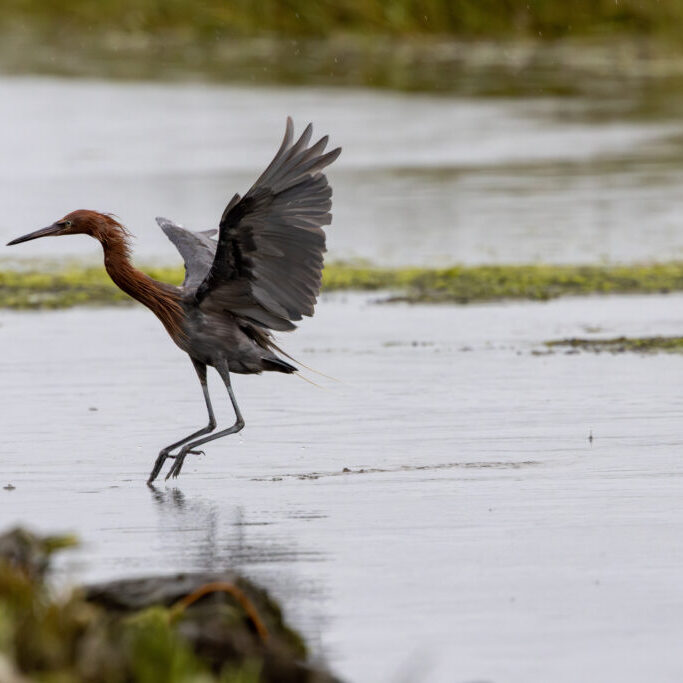
Habitat Conservation
Safeguard lagoons, wetlands, and coastal ecosystems
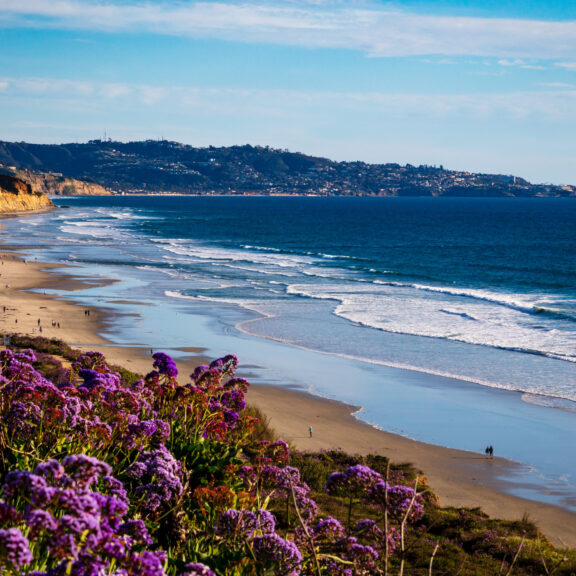
Public Land Preservation
Over 15 acres open for recreation and access.
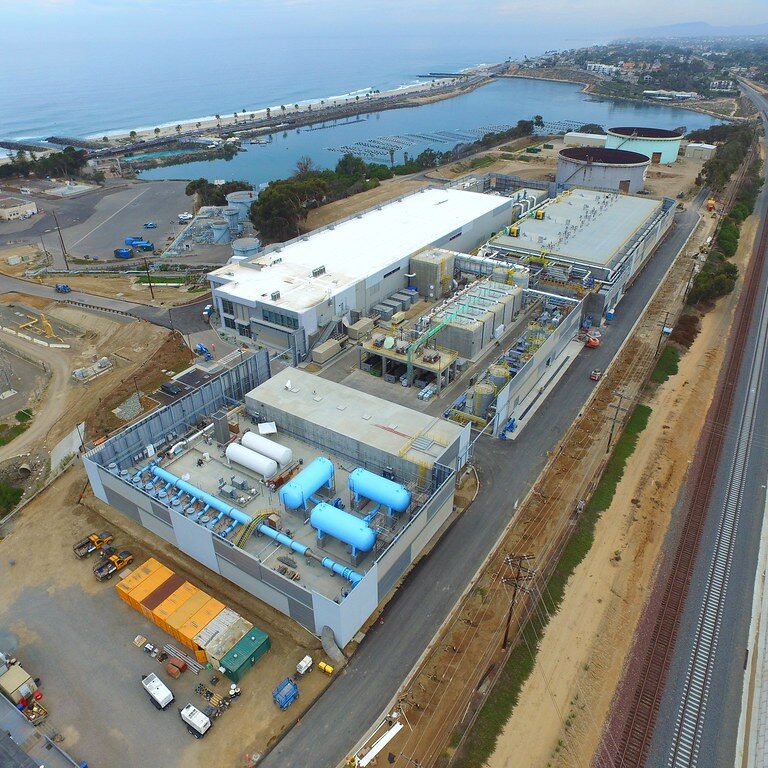
Continuous Monitoring
Tracking environmental health around the plant.
Sustainable Practices
Technology and operations built for long-term balance.
Environmental Impact Report
Prepared by the City of Carlsbad under CEQA guidelines, this report evaluates the environmental effects of the Carlsbad Seawater Desalination Facility and its related water conveyance systems.